1. Why I am telling this story
I have put off telling this story because every time I return to it, I feel it again. This isn't a nice feeling.
The exhaustion. The shame. The anger. The people who trusted me. The people I trusted. The money that was lost. The years of my life that went into trying to make something beautiful happen.
I worked on Yoko Village for five and a half years. In most periods I worked sixteen hours a day. I put my life and savings into it. My close friends and family put their savings into it as well. Other people put their dreams and their savings into it.
And eventually our bigger project, Yoko South, fell apart.
I know there are people who hear my name and have already decided who I am. Some believe I took their money and disappeared. Some have heard stories about me that I can't recognize as my own life.
I want to explain what happened from where I stood.
This is my account, my version of it. Some events are disputed. Some matters remain in legal proceedings, so I won't argue them here. I will separate what I experienced from what I believe, because I am asking people to look closely at a complicated story.
I made some mistakes. But I also know that I relied on professionals who were in control of key parts of the project. I hired attorneys and engineers to advise me on planning, land development, permits and title segregation. Much of that advice was wrong, and it led me into decisions that hurt the project.
And I still live with the pain of trying to work out what repair could look like.
2. The dream, and the mistakes I brought with me
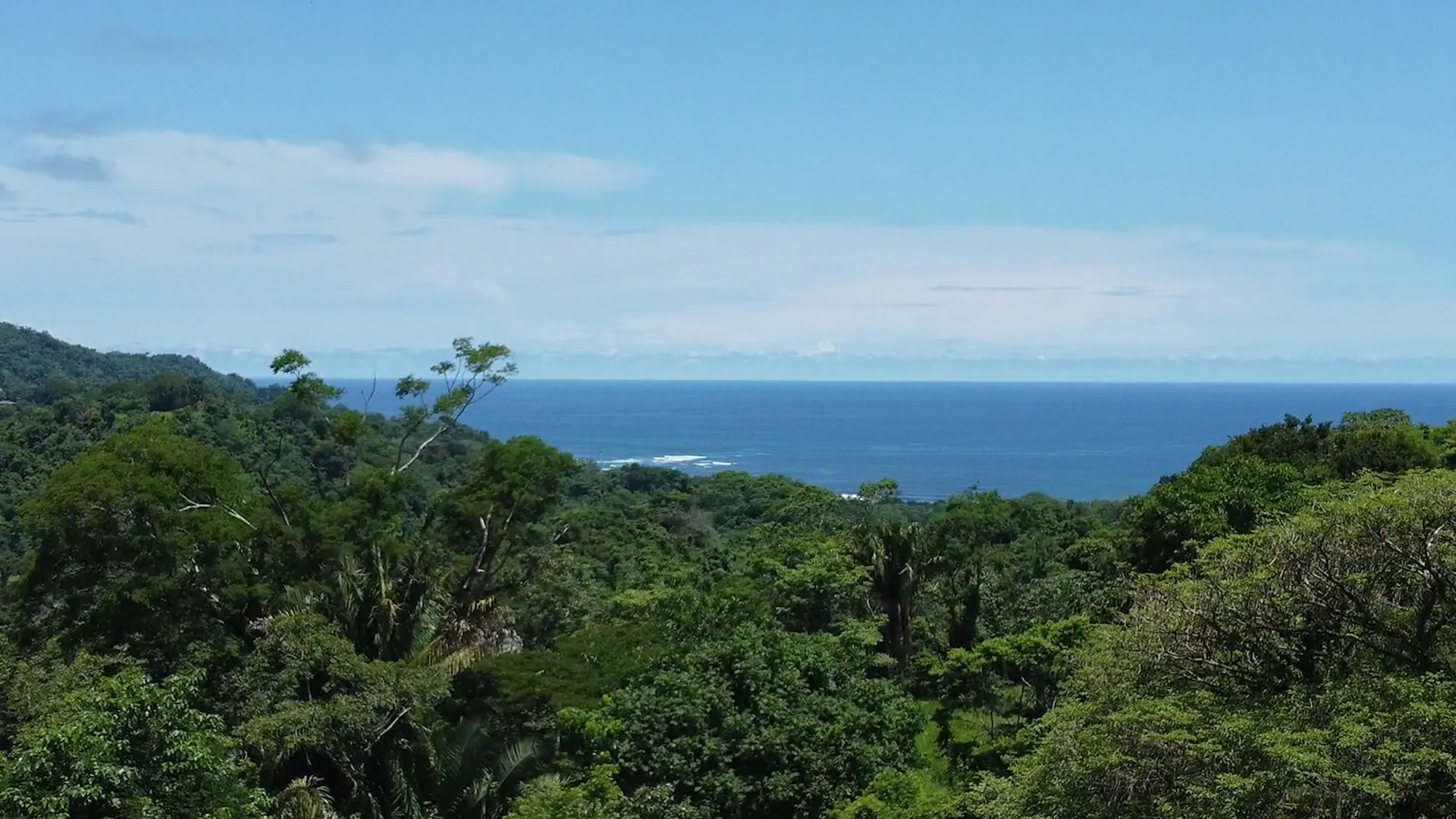
I had been coming to Santa Teresa since I was young. I loved the ocean, the forest, and the possibility of living differently.
I moved there in 2019. After years of building businesses, I wanted to build a community where people could work, learn, create, and live close to nature.
I had experience building businesses. I did not have experience developing real estate in Costa Rica.
I underestimated how much I needed to understand about land access, infrastructure, permits, finance, contracts, local relationships and, most importantly, politics, before inviting others into the dream.
I also brought an entrepreneurial habit that did some damage: promoting the vision before the foundations were ready.
At one stage, I spoke as though I owned the mountain before the purchase was complete.
I was not selling plots at that point. But the language still created a gap between what people heard and what had actually happened.
I put signs up. I branded cars. I made myself visible. I blasted social media with a dream of high-end homes designed for the rich.
I can see now how that could look arrogant to people who already felt their town was being overwhelmed by outside money and development. I had no idea how much anger about gentrification was boiling among the locals. I was naive.
Those were mistakes I made. They became part of the story people told about me.
At the beginning, the market was good. Sales were strong, there was significant cash coming in, and the opportunities seemed enormous. But with those opportunities came enormous overhead.
We built a big team, hired many employees, and expanded quickly. We grew fast, and ultimately, we failed fast. As problems started appearing, more and more of my attention shifted away from growing the business and toward solving conflicts.
An enormous amount of money went to lawyers. The large team, the overhead and the mounting legal expenses severely damaged our finances. Then the market declined, interest rates went up, and suddenly the risks we had taken with our expansion became too great.
Those were my decisions. But I also believe we could still have made it. We were headed towards success despite it all. What ultimately made the situation impossible, in my view, were problems created from within the project itself, particularly through the development company we had hired and the lawyers we had trusted.
I believe their decisions and advice drained the project of funds, created additional problems, and led us deeper into the very difficulties they were supposed to help us overcome.
3. How my reputation collapsed in Santa Teresa
One of the most painful episodes involved a neighboring development.
The land next to Yoko North was heavily cleared, and trees were cut. It was not Yoko Village land. Yet photographs and posts about that clearing were presented as though the work belonged to Yoko Village.
I remember seeing thousands of people on Facebook and Instagram condemn me for something that had happened on someone else's property.
I contacted the person behind one of those posts and asked for a correction. I said: come and see the land. Check the boundaries. Look at what we actually did and what you posted. By then, the accusation was spreading.
That is how a reputation can begin to collapse in a small town. A photograph becomes an accusation. An accusation becomes a story. And eventually the story becomes the person.
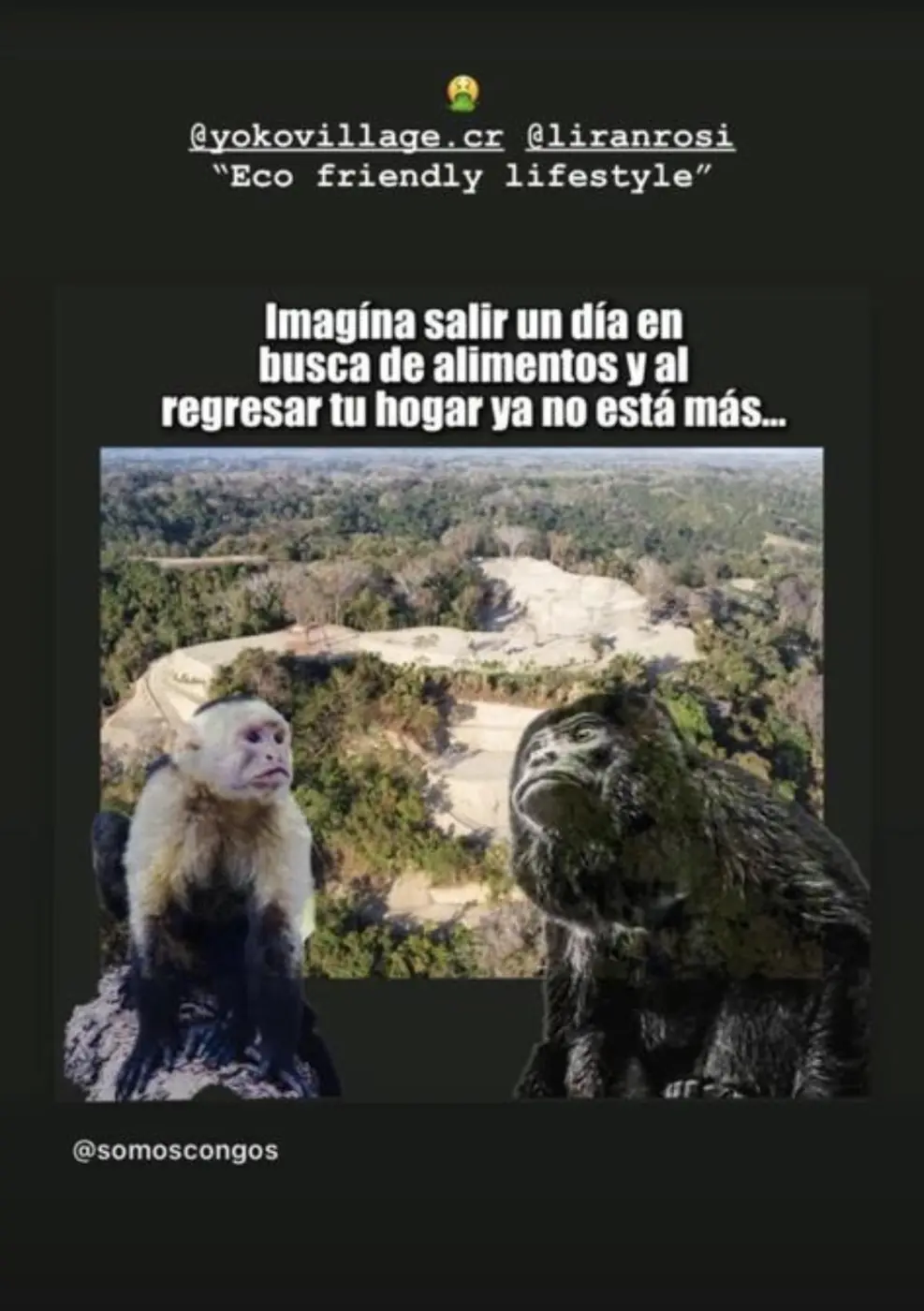
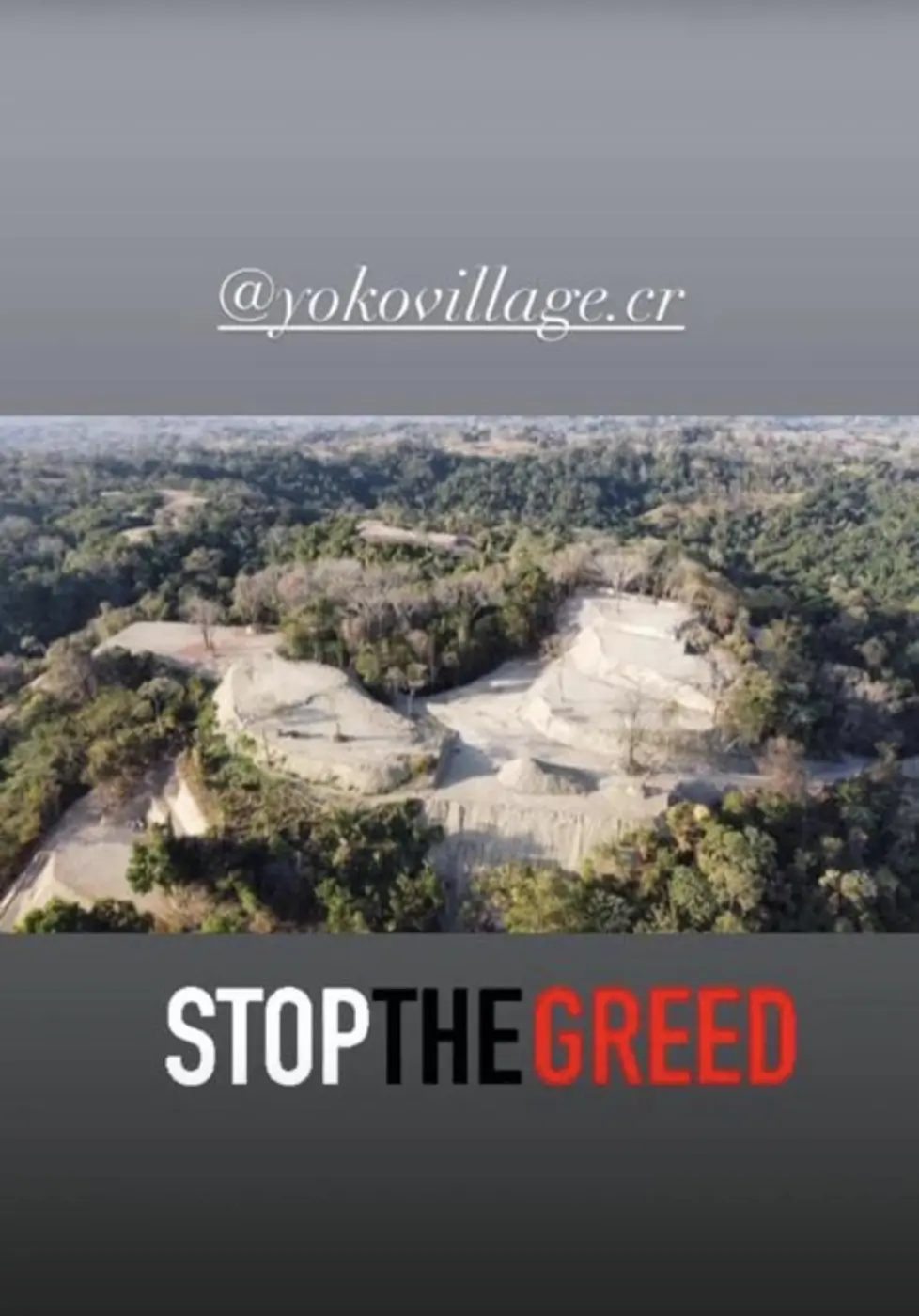
There were other conflicts too: disagreements with neighbors, arguments over access, criticism of our marketing, and questions about environmental work.
There was a group of foreign developers next to us who had promised their customers uninterrupted ocean views, before we bought the land between their properties and the ocean. In my experience, they put a lot of money and effort into stopping Yoko Village, through political connections, the Costa Rican legal system and social media. Their efforts severely damaged our reputation and, in my view, contributed substantially to the project's eventual collapse. Not every concern was invented. People had a right to ask what we were doing. I had a responsibility to answer.
But I experienced a point where scrutiny turned into hostility, and where separate disputes were folded into one verdict: Liran is the problem.
Santa Teresa was already under pressure from rapid development. I understood some of that anger. I had my own concerns about what development was doing to the area. Today Santa Teresa is a crowded, expensive paradise. It's still, in my view, the most beautiful beach I ever saw and experienced as a paddle surfer.
I also felt that being Israeli became part of how some people judged me. I cannot know everyone's motives, and I am not saying every critic was prejudiced. I am describing how some of the hostility felt to me.
I experienced confrontations in Santa Teresa, and on more than one occasion I was threatened, in person and over the phone. Life in Santa Teresa became increasingly difficult for me.
When I saw people on social media calling on others to grab me when I came out from a surfing session, I reached a point where I no longer felt safe. I left Costa Rica because I don't feel safe there, and because my life had become a living nightmare.
I do not believe everyone in Santa Teresa is bad.
Still, local people, employees, foreign landowners and friends helped us and trusted us. Some of them were badly hurt by what followed.
What I came to distrust was the gap between the language of consciousness and the way some people behaved when money, land and power were involved.
4. How I met the developer
The first project was Yoko North.
After months of work, an engineer I had first hired told me the plan we had imagined might not be viable in the form we wanted. There were concerns about the terrain, water, and the development model.
I panicked.
People had trusted me with their money. I was looking for a way to protect them and make the project work.
Through a local contact, I was introduced to the developer who became the development company of Yoko Village.
At first, the developer seemed like exactly the person I needed.
He was charismatic. He understood the area. He knew the processes. He appeared able to solve problems that other people had told me were impossible.
He became involved across development, construction, and permits. He managed the development side of Yoko Village. I managed marketing, events and sales. That was how Yoko was run from 2021 to 2024.
I trusted the developer with everything. He became my friend. Or at least that's what I thought he was.
Looking back, I know I made a mistake when I allowed so much knowledge and control to become concentrated in one relationship.
5. Why there was a Yoko South
I did not begin with a plan to build several projects at once. My dream was big: to go beyond Santa Teresa, take the eco-village brand global, and venture to more places in Costa Rica. I did not intend or plan a second project in Santa Teresa.
Yoko South grew out of my fear that people in the original project, Yoko North, might end up trapped in something that could not be completed.
I spoke with buyers about moving to a different site, at the entrance to Santa Teresa. Almost all of them agreed and signed agreements.
Later, Yoko North did move forward. It got its permits. We carved roads, brought electricity, and successfully segregated and transferred titles. At Yoko North there are owners and homes that have been built, and owners continuing to develop their properties. The project is in good shape.
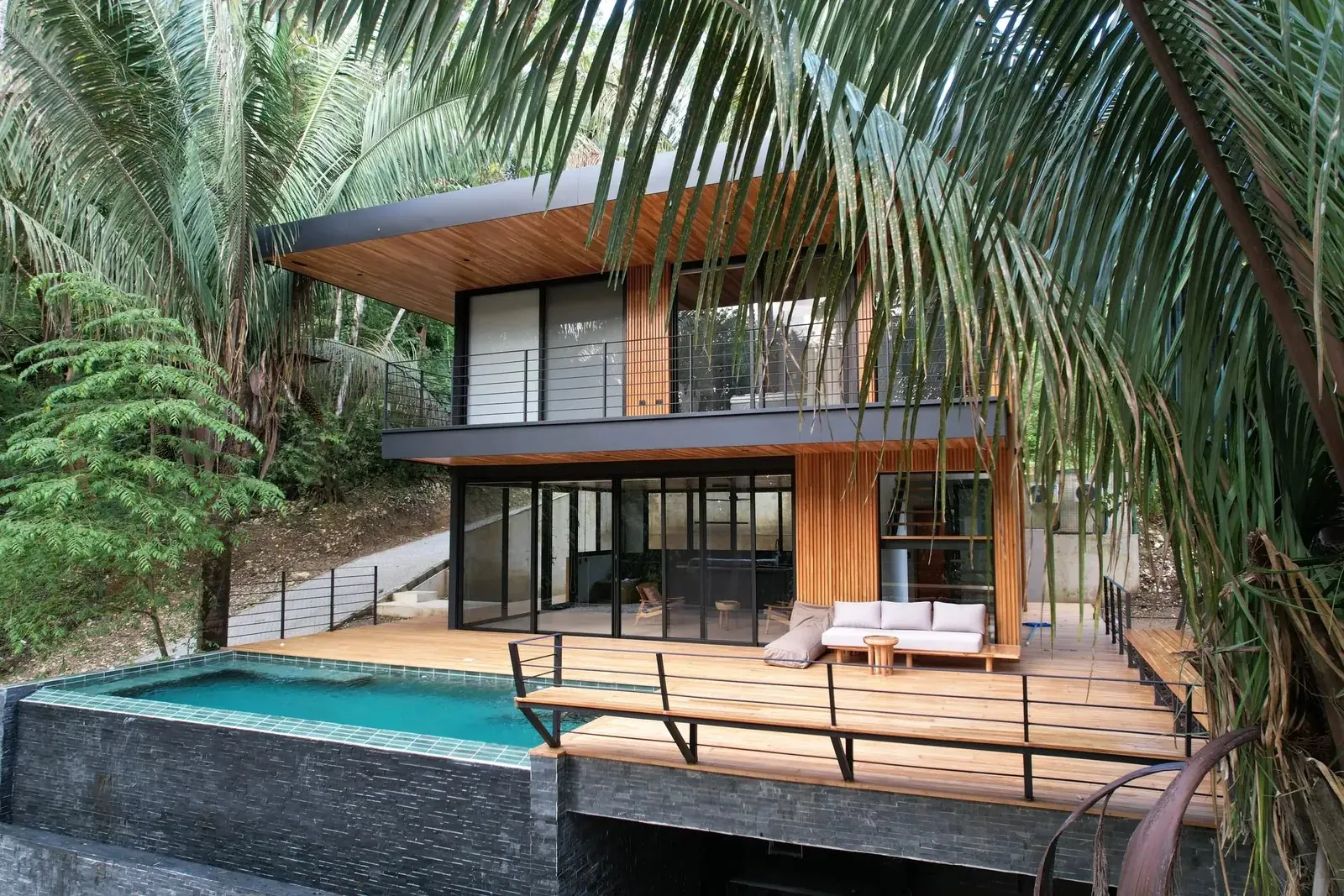
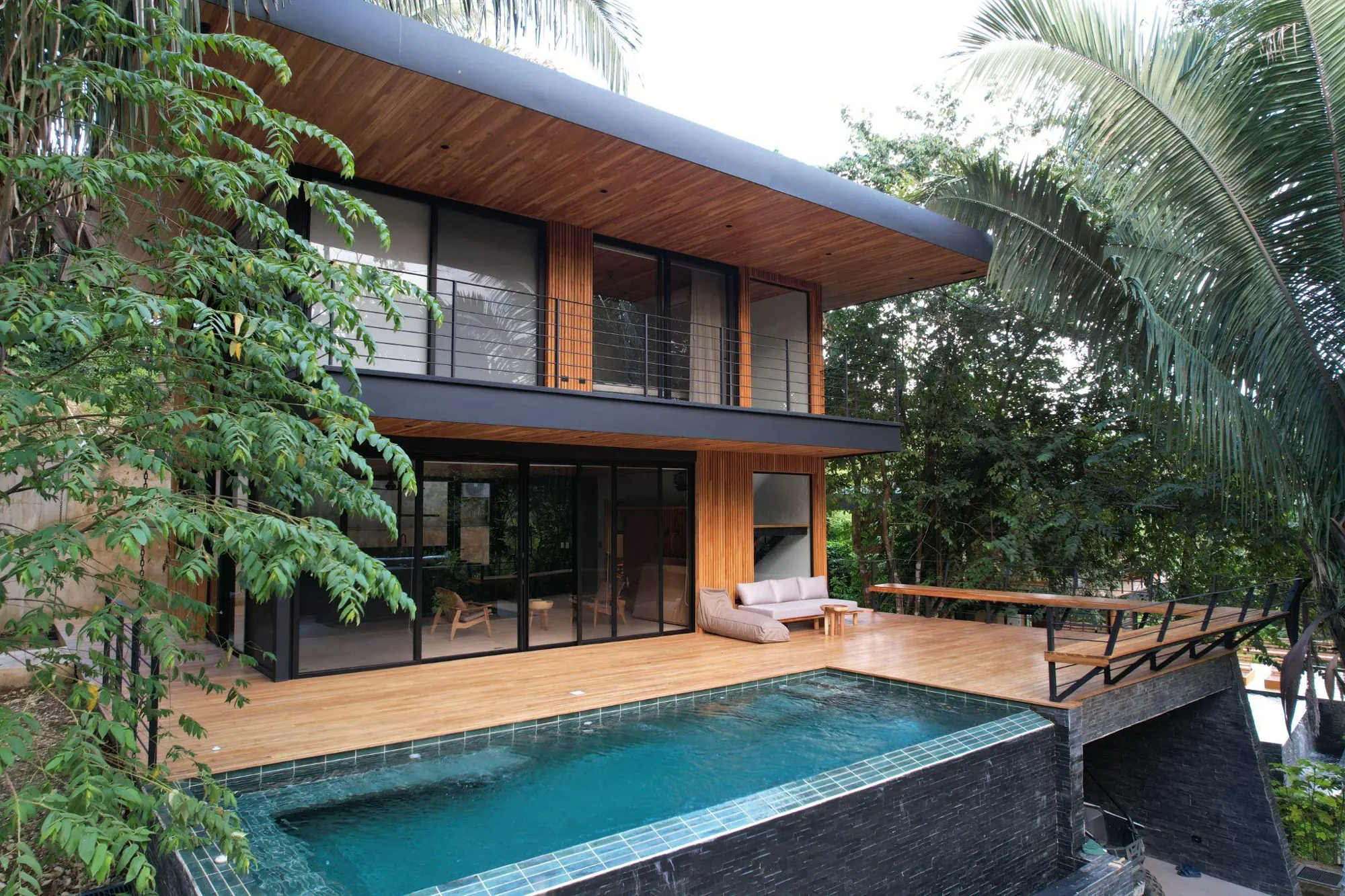
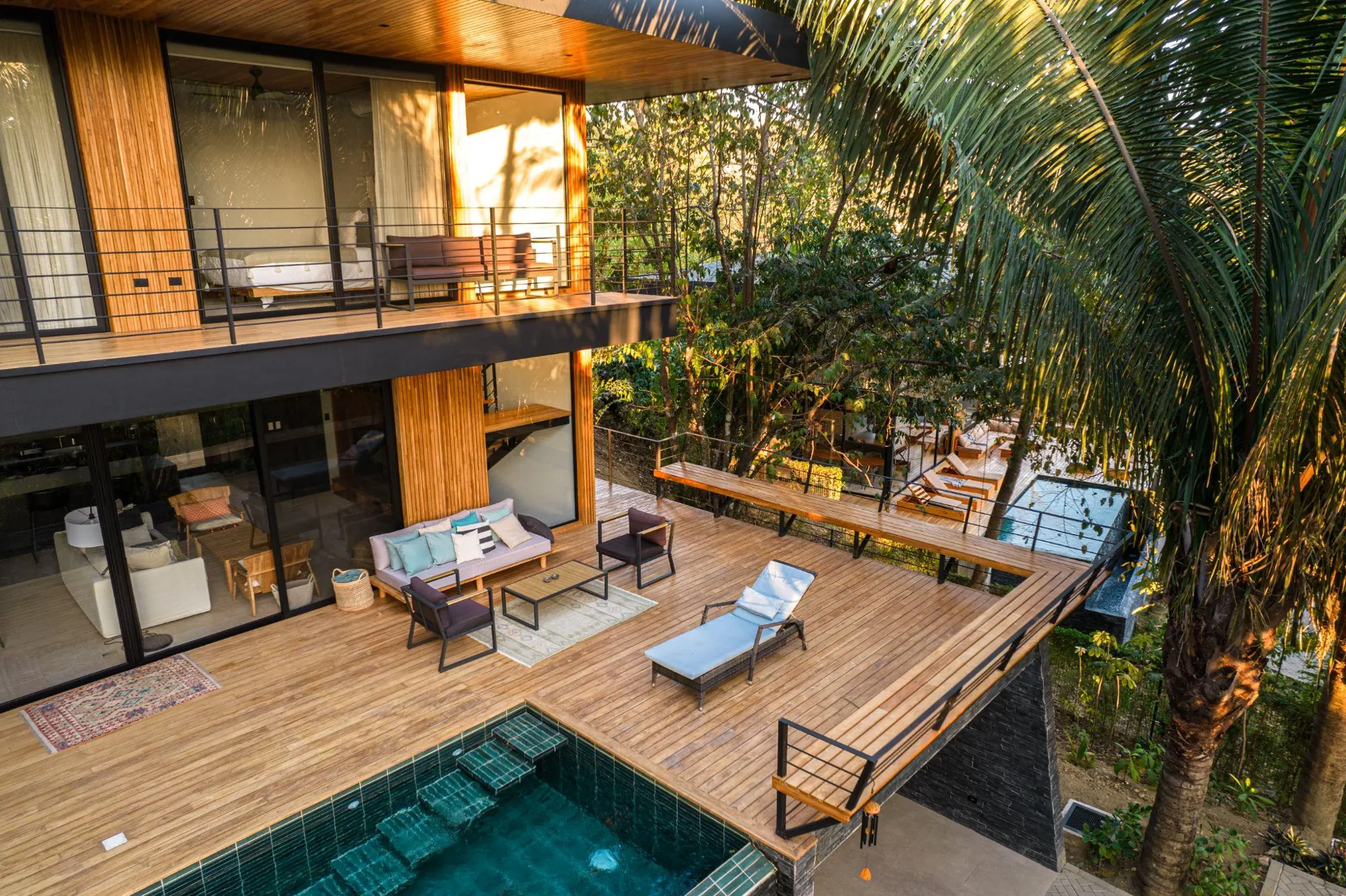
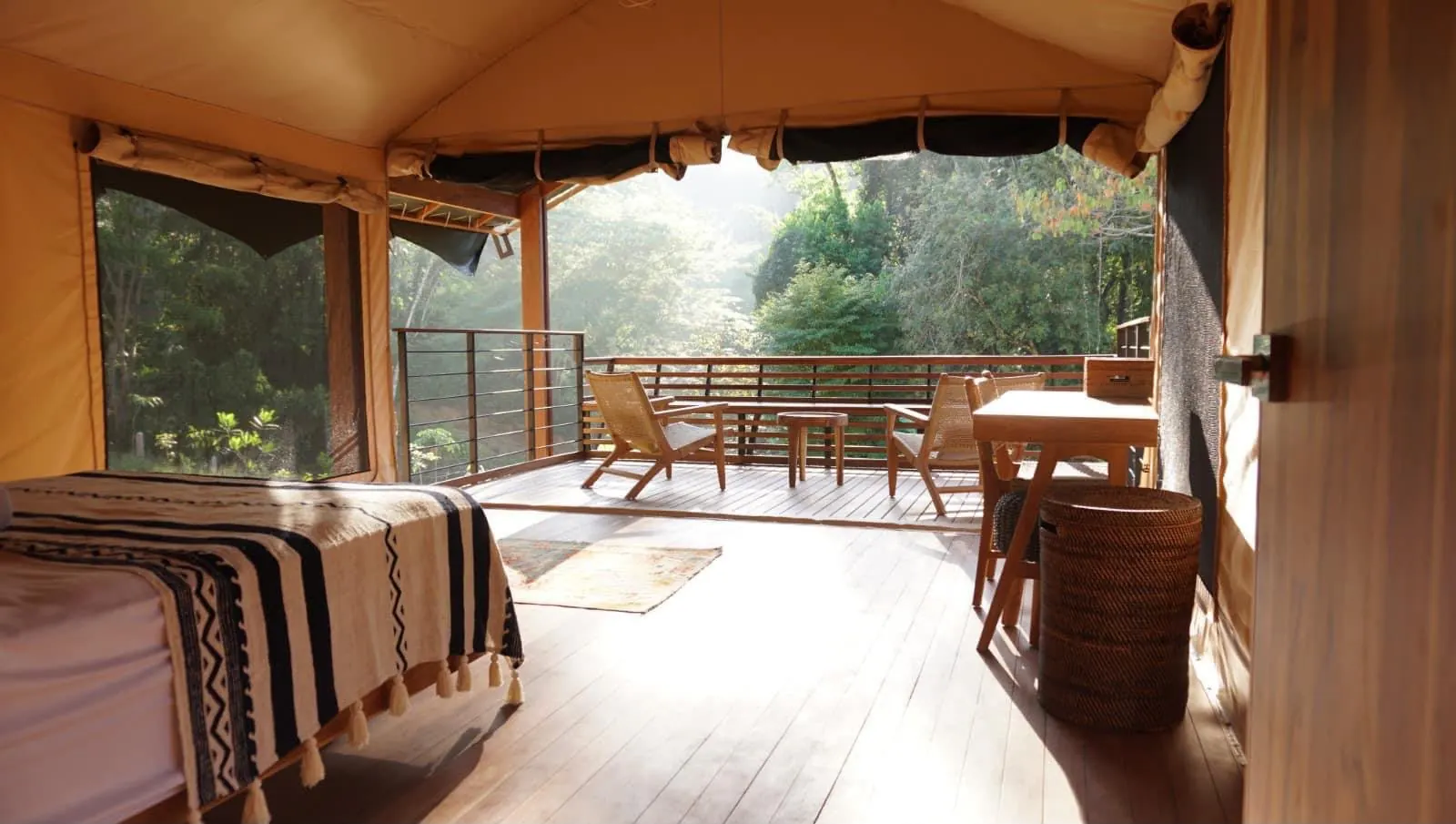
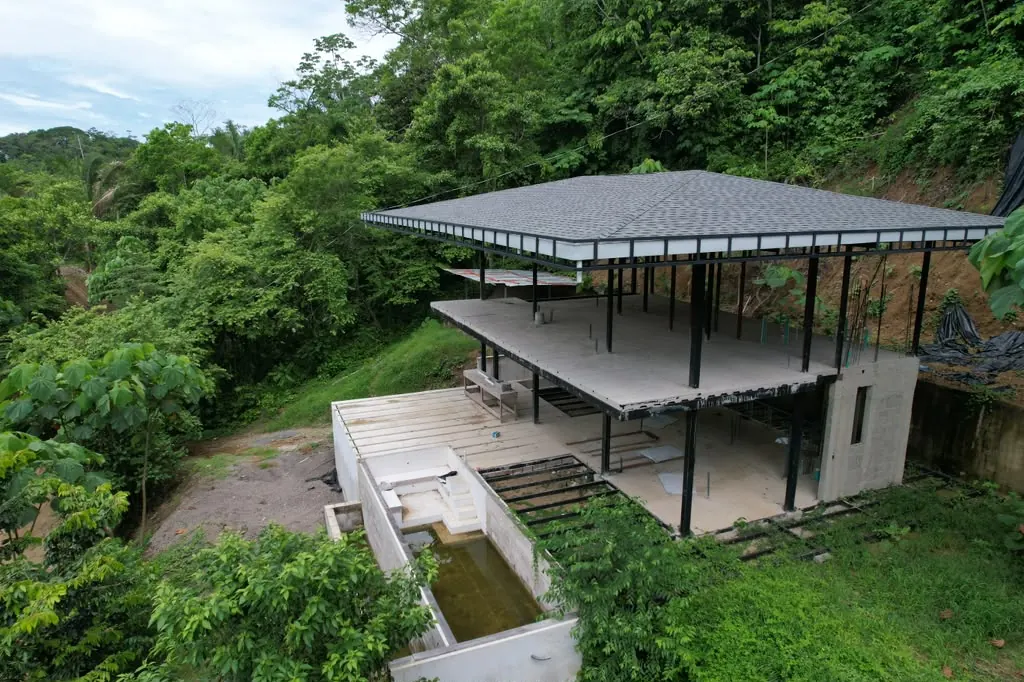
This makes the story of Yoko South especially painful, and even more painful for those who moved from Yoko North to Yoko South. I suggested that move to protect people, and it brought some of them into the project that became stuck. For those who were the first ones, it is even more painful.
Access became another major problem at Yoko South. The property lines overlapped, which happened with many properties in Costa Rica before the pandemic, and we did not have the access we were told we had when we bought the land. This is how it looked. The upper part was where we could access the land. It was not ours.
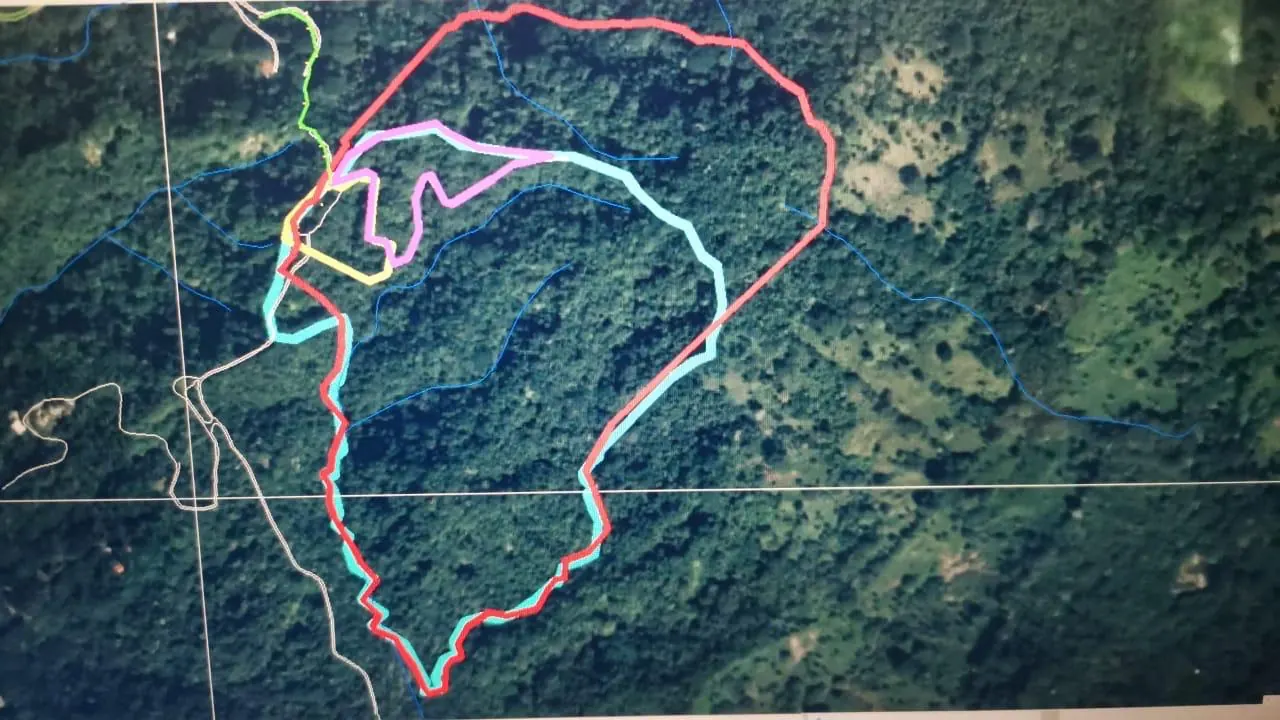
The response to these problems was, again, to expand: into a much larger farm, the farm next door, to create the access and remove the problem, with a purchase arrangement intended to proceed in stages over the years.
I kept doubling down, because I believed the next step would protect the people who had already committed their money.
Every attempt to solve the problem made the project larger, more expensive, and more dependent on future sales. I believed in my strength to persist and eventually succeed. People who bought land at Yoko North and South bought it below market price, before there was access. We all took a big risk, believing things would work. I was convinced they would.
When everyone joined Yoko South, it was pure jungle. There were no permits, and the lots were not segregated. There was no access. Eventually, we created the access. We built the bridges and did the work that took the project from 0 to 1. We got the permits and segregated the plots. A lot was done. Unfortunately, the project got stuck in the middle, and the money ran out.
We did a lot. Sadly, we didn't finish the development or the community spaces.
6. The road work and the consequences
There is another episode I need to mention.
In 2022, while I was away on a silent meditation retreat, work took place at Yoko South with the developer's team. I was not there, and I never saw it with my own eyes.
That work is now part of a legal process, so I won't discuss it here.
What I can say is that the developer and engineers involved then became the people I depended on to help resolve it. We spent more and more money on their solutions. There were inspections, appeals, delays, and continuing damage to our reputation.
Meanwhile, the project needed sales to survive. So I was always focused on that.
7. The first trust, the first trustee, and the guarantee
The developer also introduced me to the first trustee, and to the legal structure involving the first trust. The first trustee was also Yoko's legal team.
I expected a structure that would protect the project and its investors, administer the land properly, and allow us to complete transfers to buyers.
Instead, I came to believe that the structure placed the project in a position of extreme vulnerability, while the legal fees we paid were very high. Later, that same trust did not allow us to transfer titles, and it blocked our ability to sell until our finances were completely depleted.
At the same time, I needed control over the permits and the ability to keep the project moving. Development was seasonal. The permits were in the developer's name, and in Costa Rica you can't transfer such permits into your own name, even if you own the company.
When I tried to end my working relationship with the developer, he claimed a large amount was owed to him. I did not agree with that claim or the basis for it. In my view, the project had already paid him a great deal for his services.
He was not going to give us the permits without it. We didn't have the money to pay him. We had the money to do the development needed at that stage.
I felt I was being pressured into a corner.
We had taken development loans to build roads. I couldn't lose the season. He knew our situation very well. Eventually, I caved in.
The developer made it clear: if no agreement was reached, he would not pass us the permits that were in his name.
Pay the debt, or lose the season and the permits.
We knew that with the pressure of the Yoko South neighbors, we would be stopped immediately if the permits were not in our name. So, sadly, we entered a payment arrangement supported by a guarantee.
I understood the collateral to be limited: only available lots in Block C that were not committed to buyers. That is how we agreed. My position is that the arrangement exposed far more land than I understood I was putting at risk.
I paid approximately half of the disputed amount to the developer over the following year, and he passed us the permits. We lost a great deal of money waiting for him to do that. And we lost the season. We eventually lost more than 30 lots as well, including some of the most valuable ones. Those lots are no longer the project's. How that happened is a question I have asked my lawyers to examine.
In parallel, towards the end of 2022, times had changed. Interest rates had gone up. The market wasn't in the same place. I was doing everything I could to sell and keep going, so I could pay the bills. I should have already let go of the entire team, but I stayed loyal to them.
At one point, I could no longer keep up with the bills, and we were out of money. Things became really tough. But there was much more.
On top of the issues with the developer, the law firm that held the land in trust would not allow us to transfer titles for eight months. We could not sell, even when new members were ready to invest. We were losing oxygen and suffocating.
Looking back, I believe the guarantee became the way we lost control of Yoko South. I couldn't sell, so I couldn't pay, and then the land under the guarantee was lost.
That is my belief about what happened. It needs to be judged against the agreements, correspondence, payment records, and what each person actually did, not treated as proven simply because I believe it.
But I want to be direct about how I experienced it. I felt betrayed by professionals I had trusted to protect the project.
In 2024, the municipality changed, and there was a new mayor. The new mayor and the developer were on opposite political sides, and the relationship between them was hostile. Because the developer had represented Yoko Village, that hostility extended to us.
When we finally had the permits in our name and the money to start working again, we were stopped, and the delays cost us whatever reserves we had.
I don't believe the project could stand on its feet in that environment. The conflict between the municipality, backed by the Yoko South neighbors, and the developer has left the Yoko South community stranded to this day. The new municipality annotated the titles at Yoko South.
I met the new mayor three times. There was no point continuing. I tried to hire another attorney to help with all of this, and that didn't work either.
I am not describing a court finding. This has been my experience.
8. Look at this map, and zoom in, please
Now I want to explain exactly what I mean by the guarantee, and why I believe it became the way we lost control of the land.
I want you to look carefully at this drawing.
The development plan for Yoko South divided the land into blocks. Block 6 represented all the land we had purchased. Block C, abbreviated as "SE", sounds almost like "seis", the Spanish word for six. It feels like a cruel joke, because the reason I lost control of these lands, and eventually decided to leave the project, is directly connected to this. How could such a massive project collapse over something so seemingly small and absurd?
The plan was a preliminary lot and parcel proposal, prepared by the development company in July 2022. It was a development plan, not a complete record of what had been purchased or what a signed guarantee covered. This was before we got the titles, and before the land was segregated. When the plan was drawn, we had not yet acquired all the land it showed.
Notice the purple-pink shading across much of the lower part.
In the area I have referred to as Block 6, that shading covers a broad area. Now look more closely, zoom in, at Block C.
Within Block C there were individual parcels, each with its own number, such as C01 and C02. When the plan was created, Block C was not sold out. Later it was, when we gave in to the new reality.
Those individual numbers matter.
My understanding when I signed was that the guarantee concerned a limited part of the land in Block C. My position is that the documents were drafted, or later relied on, in a way that exposed a much larger area.
I believe the difference between the limited collateral I understood and the broader area later claimed was central to what happened. I would never have signed away the entire land of the project, worth a great deal, for a disputed fee.
The color on this drawing does not settle that question. Neither does pointing to a large block label.
The question is what the signed agreement actually identified: which parcels, which registered properties, which boundaries, and which rights.
This is where I want the documents examined together. I want the difference between what I understood I was signing and what was later asserted against the project to be made visible.
9. The second trust, the second lawyer, and the replacement trustee
While the first trust was blocking us from transferring titles to the Yoko South members for about eight months, and while we were losing oxygen, I was very scared of taking any legal route against a large, well-established law firm. I didn't think I could find another big law firm that would help me. So I was looking for an underdog: a lawyer who wouldn't be afraid to go against the big boys.
I found one.
Through someone working with us, I was introduced to a lawyer from another town. His message, as I remember it, was that the titles could be transferred without a problem, and that the existing structure should not be stopping us from making new sales.
So…
I hired him. He became the lawyer for the majority of the Yoko South community, helping them from afar, creating companies and transferring their titles to those companies. I brought almost all of the Yoko South members to him.
Through him, a replacement trustee became involved, and by legal process we moved the first trust from the first trustee to the replacement trustee. This was the second trust, which now held all the land at Yoko South.
For a time, that change helped. We managed to complete transfers to buyers. And I could sell again, very little and at very low prices, just to keep afloat. But barely.
Then another dispute developed.
There was an outstanding legal bill, which I expected to settle from sales. My account is that the amount demanded later rose far above what had been communicated. I received messages I experienced as threatening.
The snowball started rolling.
Right after Yoko Connect number 4, which, truthfully, I regret ever making, transfers were stopped again until we paid a debt we could not pay. We were completely out of oxygen.
There was more, but I can't expose all of it. I don't want to harm people who were part of Yoko and who, at that moment, had lost a lot. I'm only talking about the main figures in this story.
When I argued with that lawyer, the Yoko South community blamed me for having another fight with lawyers, again, and they didn't believe in my leadership anymore. I hired six different law firms over five years. No wonder the community lost trust in my ability to handle things with them.
Generally speaking, finances were always difficult, even when we were growing. The situation at Yoko was financially extremely hard from the very beginning. I was always working day and night to take care of the next problem, and the next, and the next. In early 2025, that was the end of me, and I knew it.
I needed sales to pay the lawyers, pay other debts and pay employees. But I could not complete the sales, because the title transfers were blocked by the new trust. That is the trap I experienced for the second time.
Later, I learned that people in the second structure and the developer were in contact. They became friends. Given everything that had happened, I found that deeply disturbing.
Meanwhile, the developer continued building relationships with other Yoko South investors. Some Yoko members started other projects in Costa Rica, and he became their developer. He was charismatic, persuasive, friendly and funny, and increasingly involved with people whose trust I was losing.
From my perspective, those relationships helped turn people against me. While I was struggling to keep the project alive, I felt I was losing both control of the project and the chance to have my side of the story heard.
10. One original landowner and his brother
This story also involves the original landowners. They are not background characters. They trusted us with a transaction involving their land and their future.
They have continued contacting me about what they say is happening to their property.
According to what they told me just days ago, they paid the debt being claimed, yet legal action affecting their land continues. This is the northern part of the land, the part that was never purchased.
It is painful enough to know investors were hurt. Knowing that the local farmers who trusted us may also lose their land makes it even harder to live with.
11. What I mean by losing control
When I say I lost control of the project, I mean that I lost the ability to act on the very assets needed to finish it.
Land, permits, title transfers, and legal structures became points of control held by other people.
If you cannot transfer titles, you cannot complete sales. Without sales, you cannot pay. Without payment, more claims follow.
My reputation was collapsing at the same time. Each delay made me look less credible. Each accusation made recovery harder. In early 2025 Yoko companies could not pay salaries, we could not keep up with what we owed, and I was left without any options.
I tried reaching out to developers to take over. I tried many times. No one wanted to take over.
I kept trying to find a rescue. I approached other developers. I looked for people who could finish the project and give buyers a path forward.
Those efforts did not produce the solution I hoped for.
Eventually, I was exhausted, burnt out, without support from the community, deeply in debt, and unable to keep financing the fight.
12. Death by committee: when I tried to return assets
I also spent approximately 12 months trying to transfer all my remaining equity in the other projects to the owners of Yoko South and Sangha. I wanted to give them everything I still owned in those projects, on one condition: that we reach a mutual agreement releasing me from any further legal claims, so I could finally move on with my life.
Unfortunately, we never reached that agreement. The owners were divided into different groups, and I couldn't get everyone to agree unanimously to accept the equity and release me from future claims. I felt trapped in what I can only describe as death by committee. All I wanted was to leave this painful chapter behind, knowing I had offered everything I could. But after a year of trying, the transfer never happened, and I withdrew that offer.
Later, I sold my shares in Sangha.
I understand why some investors are angry about that decision. It belongs in the story, too.
So when I say I left with nothing, I am describing how completely broken and depleted I felt. I left without the life I had built my hopes around. Without control of the project. With debts, damaged relationships, and a reputation I did not know how to repair.
I am proud of how hard I worked. I am proud of what I achieved in the conditions I had.
You may call me a dreamer. And I am. I will always be an entrepreneur. But I also believe that everything I have been through has equipped me with instincts, abilities, and experience that are priceless. I see things differently now. I have learned lessons that I could never have learned any other way.
The river keeps flowing, and I hope that with time, there will be forgiveness, healing, and repair.
I have not abandoned the people who believed in me. Even if they think I did.
13. What this taught me about community projects
Yoko changed the way I understand intentional communities.
People can share a beautiful vision and still have completely different expectations about money, leadership, responsibility, and risk.
People can speak about consciousness and become cruel when they are afraid.
Founders can confuse commitment with competence. I did that. Working harder did not make me an expert in the things I did not understand.
An eco-village still needs sound land rights, real infrastructure, reliable accounting, clear governance, and professionals whose conflicts of interest are understood.
It needs a way to disagree before disagreement becomes war.
I no longer think a large group becomes a community simply because everyone buys into the same dream.
Trust has to be built through behavior. Responsibility has to be clear. And the structure must still function when people stop liking each other.
That is what I wish I had understood before so much was at stake.
More on this in What I learned from Yoko Village.
14. My repair proposal
I cannot end this story by talking only about what happened to me.
People trusted me. People lost money. Some are still stuck.
I cannot promise money I do not have. But I have made a written proposal intended to connect my future success to repairing some of that harm.
You can read it here: My proposal for a path toward repayment
It is voluntary. It depends on my actually receiving funds. It has no guaranteed amount or timeline, and it needs individual agreements before anything is put in place.
I know some people may hear another promise and feel angry. I understand why.
My intention is to build a mechanism that can turn future success into payments, rather than ask people to be satisfied with words.
15. What I hope people understand
I came to Costa Rica to build something I believed in.
I lost the project I had worked so hard to create.
Acknowledging my mistakes does not mean accepting every accusation against me. Describing what I believe others did does not change my commitment to the people who trusted me.
I want the agreements examined. I want the land records compared with the plans. I want the payments traced. I want the people involved to answer specific questions.
I do not expect everyone to forgive me.
I do want people to understand that behind the rumors is a person who worked, failed, fought, and is still trying to find a way to repair what can be repaired.
This pain is still with me.
So are the lessons.
And so is the desire to build something worthwhile, and to make future success mean something for the people who were hurt along the way.
Liran Jakob Rosenfeld